Every tiger in Ranthambore has a story, but none can match the legacy of T-16, fondly known as Machali. Named after a fish-shaped mark on her left cheek, she wasn’t just a tigress; she was the ruling queen who defined Ranthambore tourism for over a decade. If you have ever fallen in love with the wild, chances are, Machali played a part in it.
In This We’ll Cover The Story Of machali The Legendary Queen Of Ranthambore.
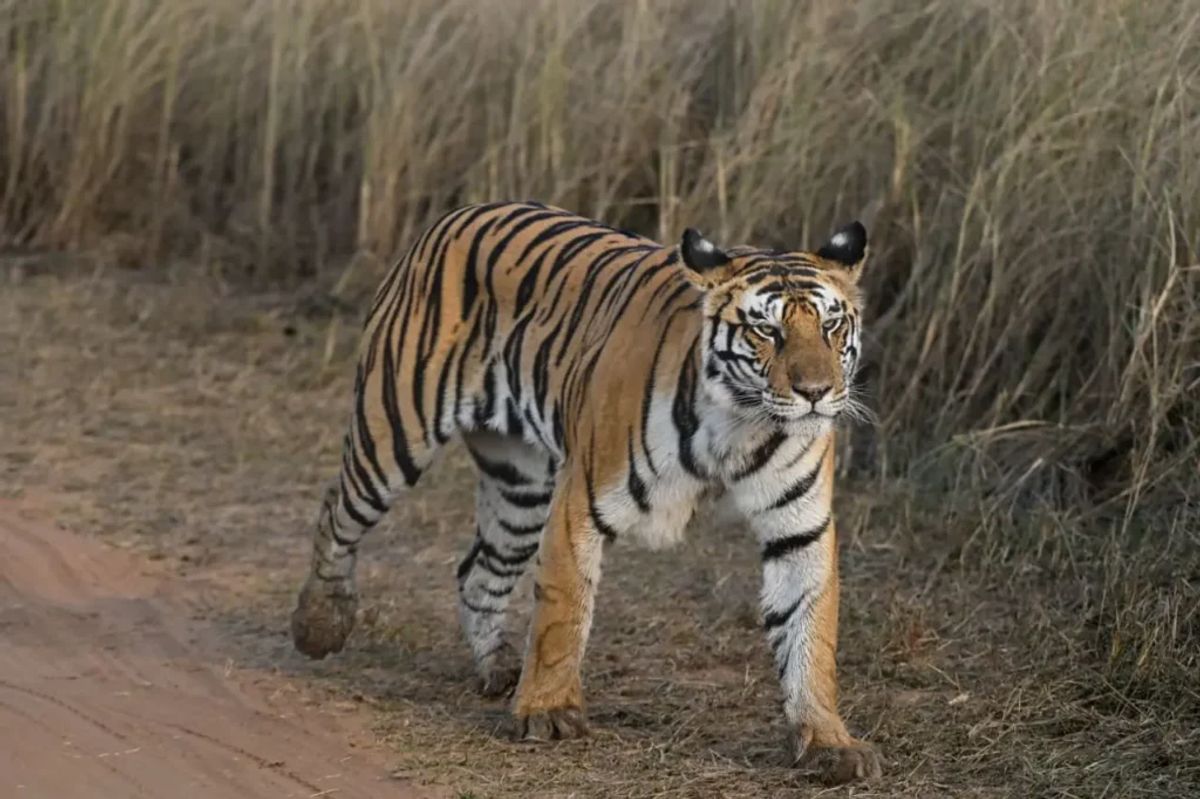
Machali- The Legendary Queen Of Ranthambore Natioanl Park
The Rise of a Queen: How Machali Ruled Ranthambore’s Lakes:
Born in 1997, Machali was fierce from her early days. She didn’t just inherit her mother’s territory; she conquered it. Her prime domain was the scenic lake area of Ranthambore—spanning around Ranthambore Fort, Padam Talao, Raj Bagh, and Malik Talao.
For safari lovers and photographers, catching a glimpse of Machali majestic walk near the lakes was the ultimate dream. She was incredibly camera-friendly, often walking gracefully past tourist jeeps without a care in the world, earning her the title of “The Most Photographed Tigress in the World.”
The Legendary Fight: Machali vs. The 14-Foot Crocodile.
If there is one story that moves every wildlife enthusiast to tears and goosebumps, it’s her legendary battle with a massive 14-foot Mugger crocodile in 2003.
To protect her cubs and defend her territory near the lake, Machali did the unthinkable. She fought the giant reptile on land, pinned it down, and defeated it. While she won the battle and saved her cubs, she tragically lost two of her canine teeth in the fight. This epic encounter earned her the title of “Crocodile Killer.”
Why is Machali T-16 so famous in Ranthambore history?
Machali wasn’t just a tourist attraction; she was the backbone of Ranthambore’s ecosystem. Her contribution to wildlife conservation is unparalleled:
The Super Mom: She gave birth to 11 cubs over four litters, passing down her strong genes. Most of the tigers roaming Ranthambore today—and even many shifted to Sariska National Park—are part of her direct bloodline.
Economic Icon: It is estimated that her presence alone generated millions of dollars for local tourism, supporting hundreds of guides, drivers, and hotels in Sawai Madhopur.
A Royal Farewell: When she passed away in August 2016 at the ripe old age of 19 (an incredible feat for a wild tigress), she was given a formal cremation with full traditional respect by the forest officials.
Frequently Asked Questions About Machali Tigress:
1.Which zone was Machali’s territory in Ranthambore-
Machali primarily ruled the premium lake sectors, which majorly fall under Zone 3, Zone 4, and Zone 2 of Ranthambore National Park today. Visitors booking safaris in these zones still walk through the historic paths she once dominated.
2.When did the Ranthambore queen Machali die?
Machali passed away on August 18, 2016, due to old age. She lived for nearly 19 years, which is much longer than the average wild tiger lifespan of 12-15 years.
3.Can we still see Machali’s lineage on a Ranthambore safari?
Yes! Her legendary bloodline continues through her daughters and grand-cubs (like Arrowhead, Riddhi, Siddhi, and others). When you book a safari in Ranthambore today, you are highly likely to witness the majestic stride of Machali’s grandchildren.
Ready to Witness the Legacy of Ranthambore’s Big Cats?
The legendary bloodline of Machali still dominates the tracks. Don’t leave your safari to chance—let local experts guide you to the hot zones!
Note: We provide Professional Safari Booking services And Expert support In Ranthambore National Park, seats fill up Fast for Premium zones.